Labels

Friday, 10 October 2014

Research: Film Censorship (Mr Smith)

The BBFC...

The British Board Film Classification's (BBFC) role is to protect the public from anything offensive or anything that could cause any harm. They decide the age certificates for films and if they feel a film is not appropriate for an audience they will either need to ban it completely, cut it or censor it depending of content. The BBFC is important to the film industry because without it the public would not be protected and would be open to seeing films in which could disturb, upset or shock the audience. 

What things get censored?

  • Violence
  • Graphic representation and realism
  • Corrupt and young 
  • Controversy and the press
  • Sex and nudity 
  • Sexual violence
  • Religion
  • Class
  • Language
  • Shock
  • Drug abuse 
  • Culture 
  • Race
  • True events 


Films that have been censored...
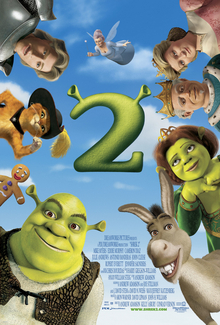
  • Shrek 2:
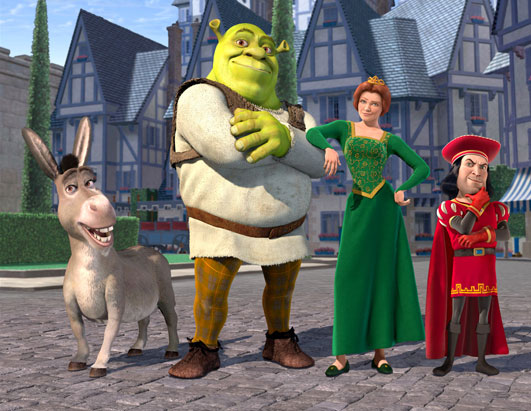
This film has been censored in the UK due to Princess Fiona headbutting Prince charming. This was changed into a neck drop instead as the BBFC thought the children would imitate headbutts. 
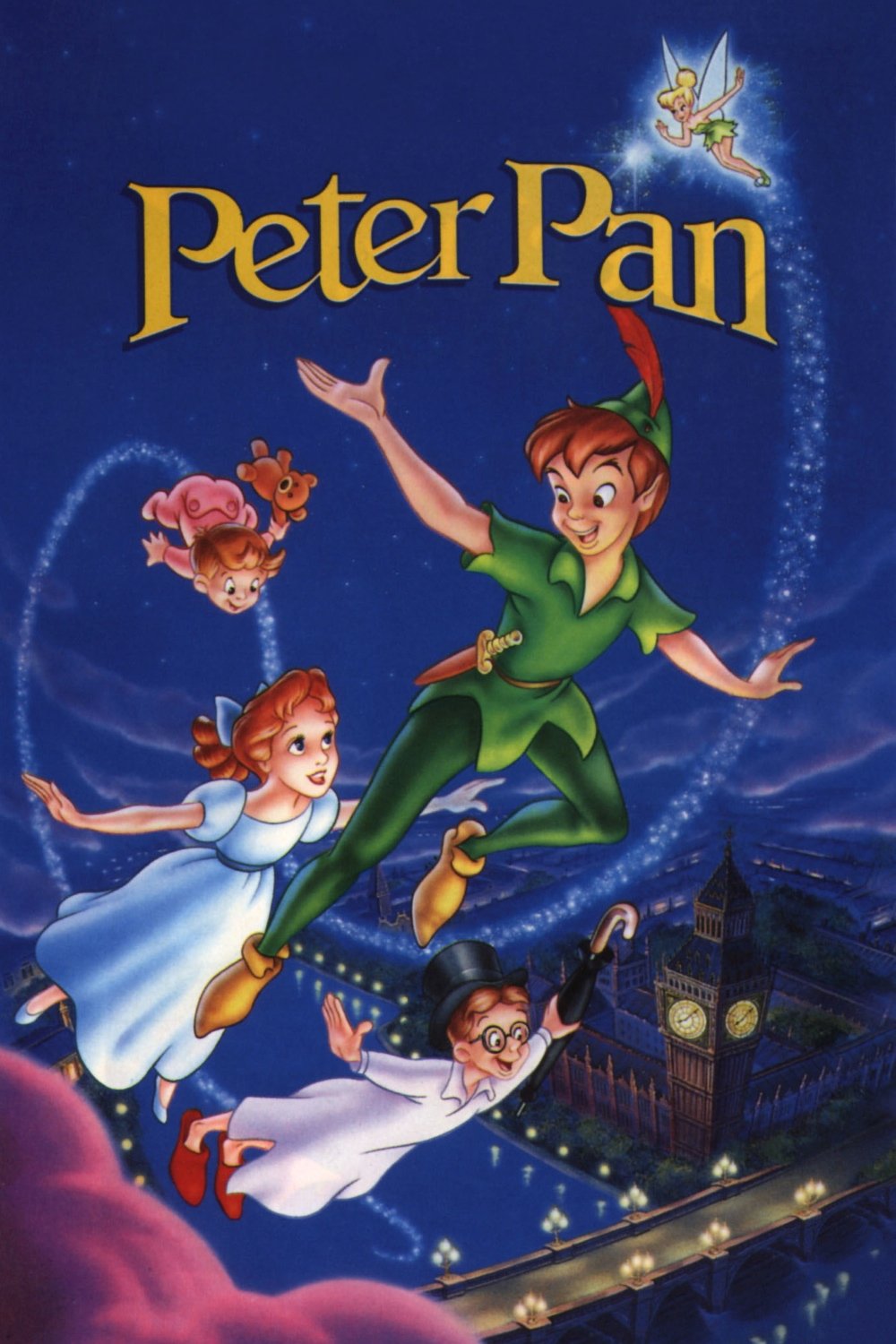
  • Peter Pan
This film has been censored in the UK due to Captain Hook headbutting Peter Pan. This was also censored as the BBFC thought children would imitate.


Films being cut and banned...

When a film is cut it means it is edited or has had scenes taken out of it to make it appropriate for viewing. However, when a film is banned it is taken away from cinema viewing completely due to indecent, harmful or offensive material.

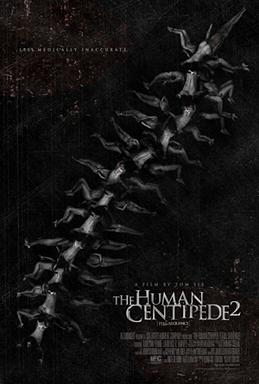
A film that has been banned is "The Human Centipede 2".
This film was banned due to people being portrayed as objects which are brutalized, degraded and mutilated for the arousal of the main character. This is giving off bad behavior, violence and graphic scenes which may influence the audience and cause controversy which is a reason why is had been banned in the UK.

A film that has been cut is "Face off".
This film had a scene cut in which the main character shows a young girl how to use a butterfly knife. This was cut in the UK as it glamorises the use of weapons to the audience which could also influence bad behavior.


Forna vs Kermode: 

The Forna and Kermode debate is based on a case for censorship or a case against.
Forna discusses how she believes in censorship. She recognises the importance of freedom of expression but she also recognises that freedom comes with responsibilities allowing some groups to use their freedom to stir racial hatred removes the freedom of minorities to live without persecution. She also states that experience has shown that when suicides are shown on TV there'll be an increase in attempts that night. In an episode of Eastenders,one of the characters called Angie, tried to kill herself which prompted a country wide series of emergencies that same evening. Forna also believes that images and words have the power to distort the way we think. Films can promote racial violence or lead to sexual aggression. Lastly, she states that when the audience are watching adverts they know and understand they're being sold something, however, when watching a film audiences are unaware they're being sold stories which may influence them unconsciously.

On the other hand, Kermode discusses that the basis for all this madness is a peculiarly British fear of freedom and responsibility. He also states that when he met fans of the film "I spit on your grave" they did in fact state they hated it because it wasn't any fun at all to watch and was appalled, however, it did not corrupt them highlighting the fact that people do not imitate what they see in films. Kermode also believes that although we may all watch the same film, we see different films suggesting that everyone's personal responses are different and effect them differently. Lastly, Kermode's final thoughts were that no matter what our censors do, art and literature will continue to inspire strange and baffling responses in people.

Personally, I believe that censorship in the UK should not be used to such an extreme extent. Adults are able to look after themselves and decide whether they want to watch a certain film or not. There should be age certificates but not censorship as this eliminates the rest of the public's rights just because a certain number of people can not understand the fiction and may be influenced.

Conclusion:

From researching about film censorship I have understood what exactly is allowed to be in films and what is not. This will help me as I'm planning, to know what is appropriate to include. In my thriller I may use iconography such as guns and blood which concerns me as this may be giving off negative influences to my audience which may have to be cut. 

Research: Narrative Themes (Miss Begum)

Narrative Themes

Themes are prominent or recurring ideas in a piece of film. These ideas are often repeated in a script or narrative as it is important to identify for the audience as it creates meaning and is the key to the audience's reaction.

Different themes in different genres...

Rom-Com
Action
Thrillers
Crime
Sci-fi
Historic
Breakups
Crime
Psychological
Revenge
Supernatural
Fighting
Love
Battle
Envy
Greed
Religion
War
Happiness
Death
Supernatural
Addiction
Space
Battle
Loyalty
Violence
Religion
Money
Disaster
Land
Marriage
Money
Death
Drugs
Earth
Ownership
Commitment
Drugs
Obsession
Good vs Evil
Adventure
Hierarchy
Themes are dependent on their genre as without the themes the genre will not be fulfilled. For example, a thriller film would not be in the thriller genre if it's key themes were not supernatural, psychological and death etc. These elements attract the audience into understanding what genre they are watching.

Common themes in thrillers...

Psychological, death, envy. - "Orphan"

Supernatural, death. - "Insidious"

Death, psychological, violence.  - "Psycho"
Medical, psychological, death. - "Shutter Island"

Religion, death, envy, violence. - "Se7en"

Obsession, psychological, death, violence. - "The Human Centipede"


The impact on audiences...

The impact of themes on audiences are usually to create meaning and help audiences learn and identify from it. Themes satisfy the expectations of the audiences and make them respond in an appropriate way. Themes also make conventions easier to identify in the genre.

Conclusion:

From researching the narrative themes I am now able to identify what themes I want to include in my thriller. I would like to stick to the conventions of thrillers as my audience will know what to expect. Some conventional themes I will include are psychological, death, evil and supernatural. 

Sunday, 5 October 2014

Research: Narrative Theory (Miss Begum)

Narrative Theory 

The narrative is the story line in which has a start, middle and end. The narrative is important in a film as it helps the film flow better and not confuse the audience. When trying to find meaning within narrative there are a series of codes and conventions that needs to be considered, characters, connotations and denotations, genre and structure.

Characters:

  • Physique
  • Main character
  • Body language
  • Facial expression
  • Relationships
  • Demographics (age, gender, ethnicity.)


Connotations and denotations:

  • Setting
  • Iconography
  • Themes
  • Costumes


Genre:

  • Lighting
  • Colour
  • Sound
  • Own set of conventions


Structure:

  • Start, middle, end


Propp:

Propp was mainly interested in narrative folk tales. He believed that folk tales were about the same basic struggles, therefore, had the same characters.

The characters were...

  • Hero
  • Villain
  • Princess
  • Her dad
  • Doner
  • Helper
  • Dispatcher

For example, in "Shrek", which is a narrative folk tale these characters exist. The hero being Shrek, villains being Lord Farquaad, Prince Charming and the Fairy Godmother,  the princess being Princess Fiona, the father being King Harold.


Todorov:

Todorov believed that there is structure to a film which is a equilibrium (start), disequilibrium (middle) and new equilibrium (end).

State of equilibrium
A disruption of that order by event


Recognition that the disorder has occurred


Attempt to repair the damage of the disruption


Return or restoration of new equilibrium.

Most films obey this structure such as "Orphan".
The state of equilibrium is clear when the protagonists want to adopt a child and happily find an orphan, Esther, which they choose to adopt. At this point everything is okay in the film. The next step is a disruption of that order by event in which happens when the mother suspects there might be problems with the orphan's background. The recognition that the disorder has occurred is when the mother Kate, realises that Esther tried to kill her son. The attempt to repair the damage of the disruption is when Kate gets the phone call explaining that Esther has hypopituitarism and rushes home to warn her husband. The return or restoration of new equilibrium is when Kate saves her children and kills Esther.


Aristotle: 

Aristotle believed in having a beginning, middle and an end. The events must casually relate to one another, being necessary. He believes it is important to arouse emotion from the audience which is mainly within tragedy and believes it is important in evoking emotions through themes. Aristotle's theory applies to all genres, for example, in a comedy film the emotion that provokes the audience is laughter, in a romantic film the emotion that provokes the audience is sensitivity and happiness and in a thriller, the emotion that provokes the audience is anxiety and fright. 


Barthes: 

Barthes believed in having semiology within narrative. He believes that narrative can be defined by using the following things: 
  • Symbolic: Connotation (What you can infer) e.g. from looking at a knife you would infer danger. 
  • Semic: Denotation (The object that gives inference) e.g. the knife. 
  • Cultural Understanding: Events which can be recognised as being part of a culture. 

I believe that thriller films tend to take Aristotle's theory as emotion is very significant to the genre. Without the evoking of emotions in a thriller it would lose its conventions and attract no audience.


Conclusion:

From looking at the different theories I will be including all four theories as they are all very important. It is important to stick to the structure, provoke emotions and set the characters right in order to maintain a clear narrative. 

Research: MES: Setting & Iconography (Miss Begum)

Setting & Iconography

Settings are the environment and surroundings of a scene and are extremely important as it can effect the whole layout. Iconography are the objects that cause significance to the scene. This is important as without iconography it would be quite confusing for the audience. e.g. a killing without a clear weapon being shown.

Both setting and iconography can help with audience understanding. If a setting is located in a dark place with many shadows it can imply to the audience that something negative is going to happen. If the iconography matches the setting and there are knifes and guns this could also imply the negative atmosphere. Due to these implications from the audience the director has to be very careful of the setting and iconography.


Setting:
Typical thriller settings could be...

Action thrillers...

  • Streets
  • Car parks
  • Airports
  • Warehouses
Psychological thrillers...
  • Haunted/abandoned houses                                           
  • Hospitals
  • Schools 
  • Forests
  • Mental institutions
Sci-fi thrillers...
  • Space
  • Empty fields
  • Back gardens                                                                       
  • Forests 
  • Schools                                                                                   
Crime thrillers...
  • Forests
  • Houses                                                                                   
  • Abandoned places
  • Streets 
  • Prisons

Settings in a genre are dependent on their sub-genres. This is because even though thrillers may share the same types of settings some may be more linked the sub-genres. For example, psychological thrillers being set in hospitals whereas sci-fi thrillers would be set in empty fields.

Iconography:

Typical thriller iconography could be...

Action thrillers...

  • Guns
  • Knifes
  • Cars
  • Money
Psychological thrillers...

  • Needles
  • Ropes
  • Files/documents
  • Medicine
  • Children's dolls
  • Labs
Sci-fi thrillers...

  • Spaceships
  • Laser guns
  • Robots
  • Machines

Crime thrillers...

  • Guns 
  • Knifes
  • Blood
  • Money
  • Drugs
  • Police
  • Camera's
  • Labs


Iconography in a genre are dependent on their sub-genres. This is because iconography in thrillers can be mostly the same for example guns and knifes, however, in specific sub-genres such as sci-fi these objects may not be used as much and instead more robots and machinery used in order to match the conventions of a sub-genre.


Thriller scene analysis:

In the film "The Human Centipede" the settings are the forest, a creepy house, and a lab. The settings are dependent on their sub-genre which is a psychological thriller. As the two girls walk through the forest it creates tension and uncertainty for the audience and also the setting of the forest creates a haunting atmosphere. Moreover, the setting of the creepy house and lab suggest that the antagonists intentions are negative. Once the antagonist starts using iconography such as needles it matches the sub-genre and also make it more clear to the audience on what he is about to do.


Conclusion:

From researching iconography and settings it has given me more understanding on what to use in my thriller. It is clear that first I have to identify the sub-genre of my thriller in order to be more specific with the setting and iconography. I would like to make a psychological thriller so I would prefer to use settings such as hospitals or abandoned places and iconography such as knifes, needles and medicine to scare the audience.